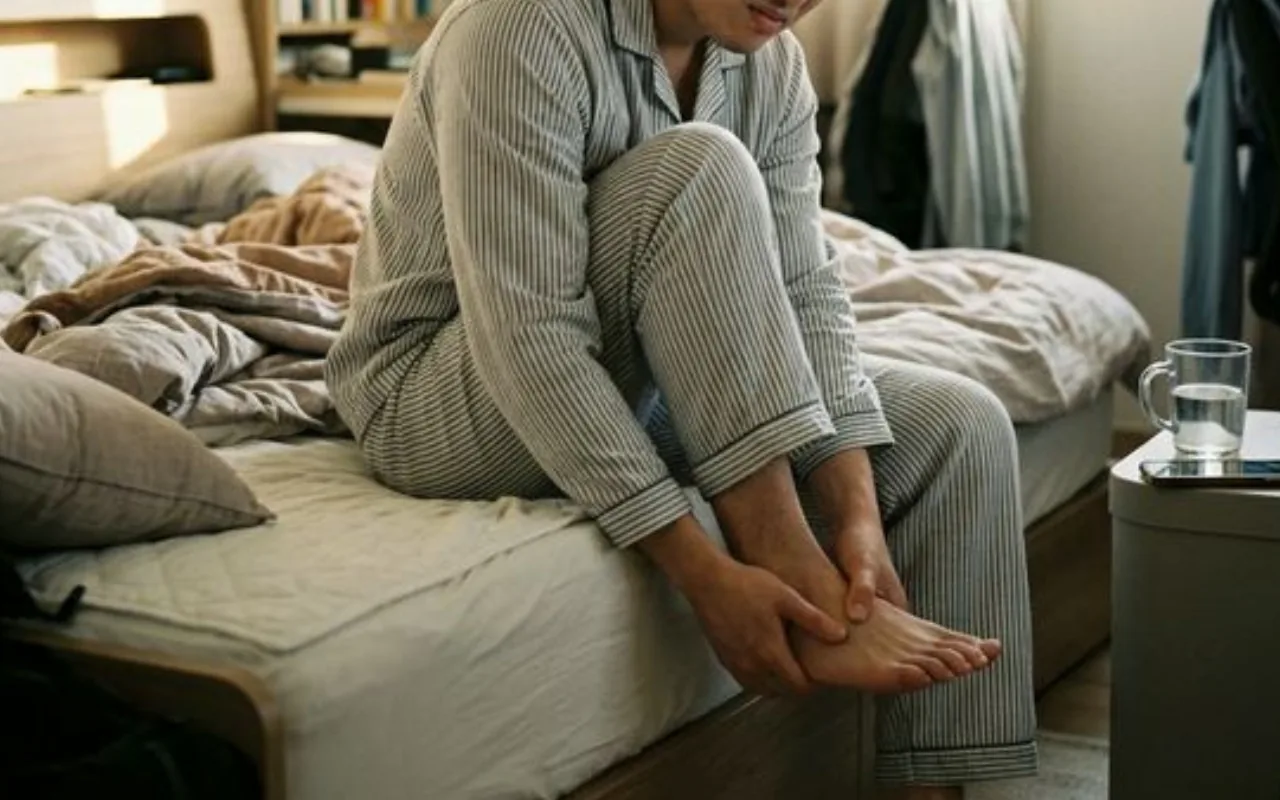
Why does my heel hurt in the morning? If you experience a stabbing pain in the bottom of your foot near the heel when you take your first steps out of bed, you might be suffering from Plantar Fasciitis. It is one of the most common causes of heel pain and frequently prompts patients to seek help from a sports medicine doctor. The pain often decreases as you move around, but it can return after long periods of standing or upon standing after sitting for a while.
Quick Answer: What is Plantar Fasciitis?
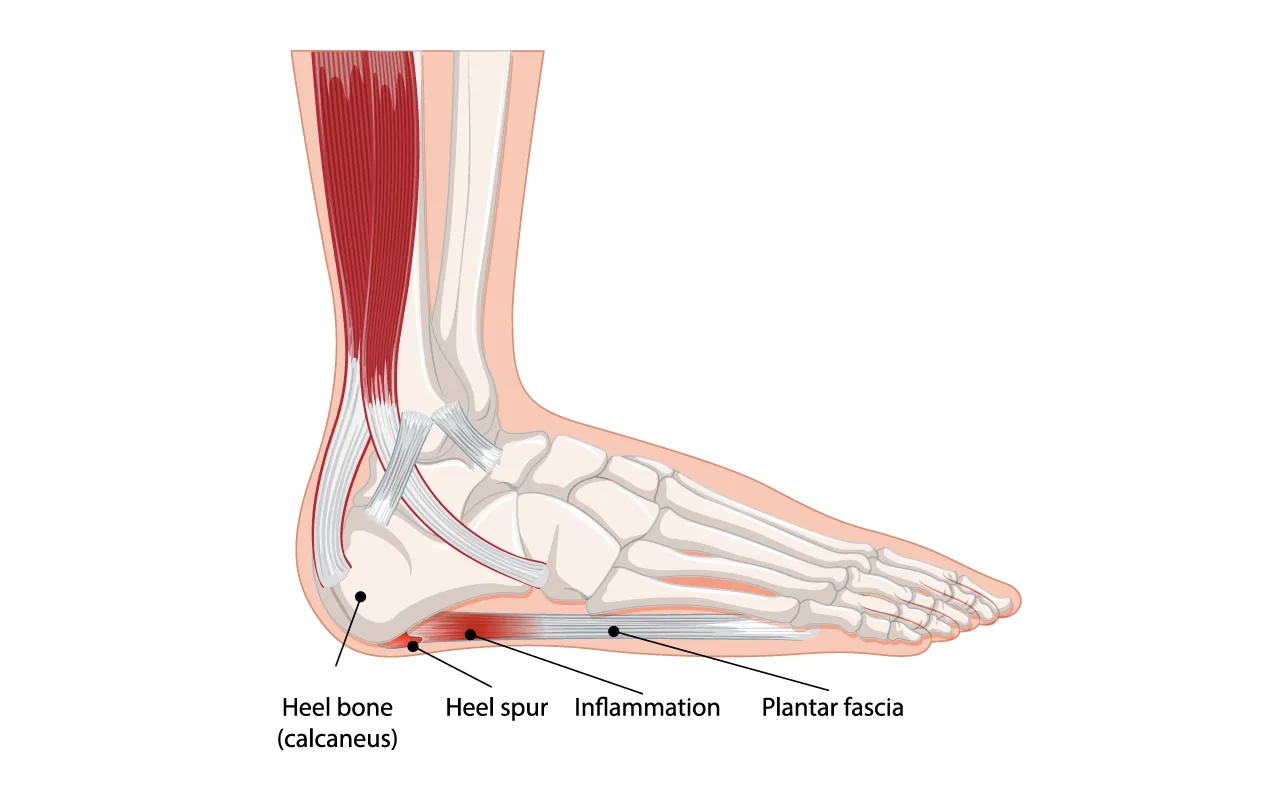
The plantar fascia is a thick band of tissue (ligament) that connects your heel bone to your toes, supporting the arch of your foot. When tension and stress on this bowstring-like ligament become too great, small tears can occur. Repeated stretching and tearing can irritate or inflame the fascia, leading to:
Morning Pain
A sharp, stabbing pain with your first steps in the morning.
Post-Exercise Pain
Pain that is typically worse after exercise, not during it.
Standing Pain
Discomfort after prolonged standing or rising from a seated position.
Common Risk Factors and Causes
Who is at risk?
While Plantar Fasciitis can develop without an obvious cause, certain factors increase your risk. Age is a common factor, as it is most prevalent between the ages of 40 and 60. Certain types of exercise that place a lot of stress on your heel and attached tissue — such as long-distance running, ballet jumping, and aerobic dance — can also contribute to its early onset.
Foot Mechanics and Lifestyle
Your physical characteristics and daily habits play a major role. Having flat feet, a high arch, or an abnormal walking pattern can affect weight distribution when you're on your feet, putting added stress on the plantar fascia. Additionally, obesity puts extra stress on your foot, and occupations that keep you on your feet — like factory work, teaching, and nursing — carry a higher risk of developing plantar fasciitis.
When to See a Sports Medicine Doctor
While you might try to manage the pain at home initially, it's important to consult a sports medicine specialist if you experience any of the following:
- Severe, persistent pain, swelling, or redness in your heel.
- An inability to put weight on your heel or bend your foot downward.
- Numbness or tingling in the bottom of your foot.
- Pain that does not improve after a few weeks of rest and consistent home treatment.
Effective Treatment for Plantar Fasciitis
Most people who have plantar fasciitis recover within several months with conservative treatment. The initial approach often focuses on reducing inflammation and taking stress off the fascia:
Rest and Ice
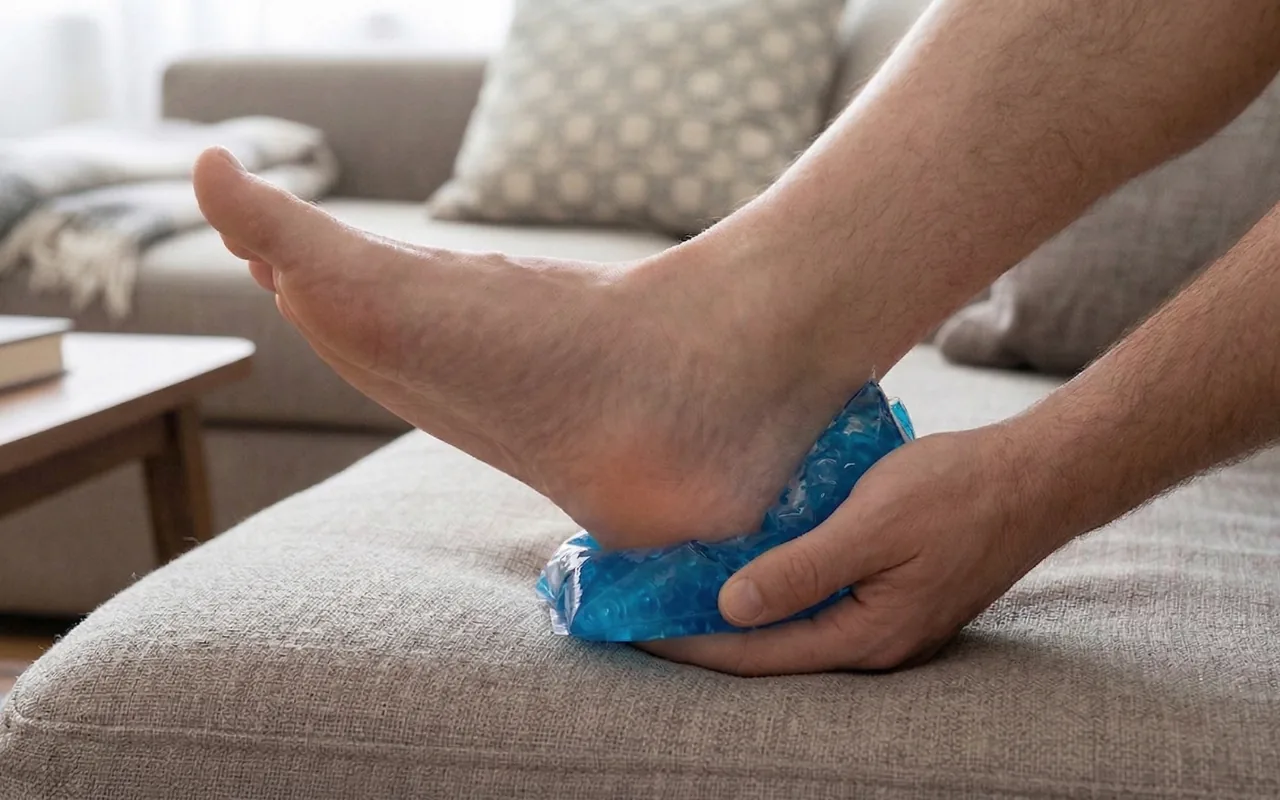
Decrease activities that aggravate the pain, and apply ice to the tender area for 15 to 20 minutes several times a day to reduce inflammation.
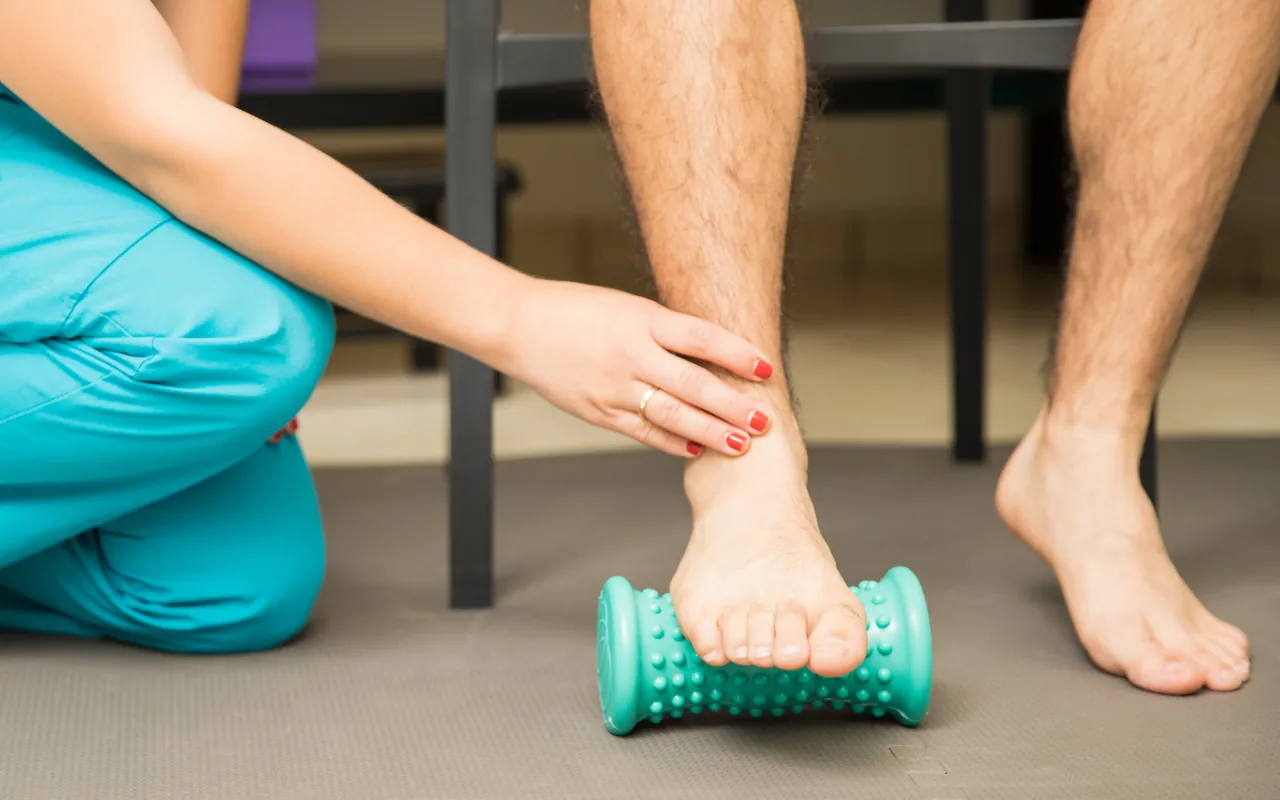
Stretching
Perform specific exercises targeting the plantar fascia and Achilles tendon to improve flexibility and reduce tension on the fascia.
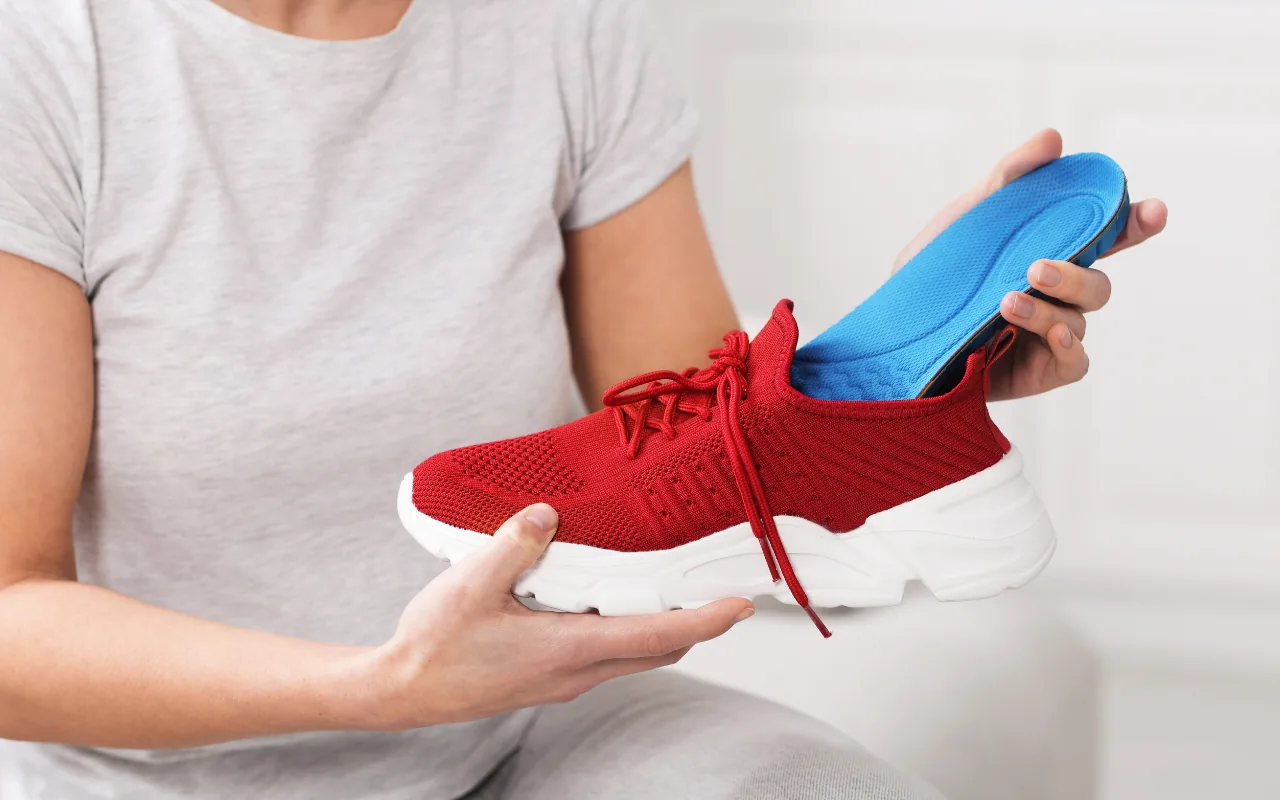
Supportive Footwear and Orthotics
Wear shoes with excellent arch support and a cushioned sole, or use custom-fitted arch supports (orthotics) to distribute pressure more evenly across your foot.
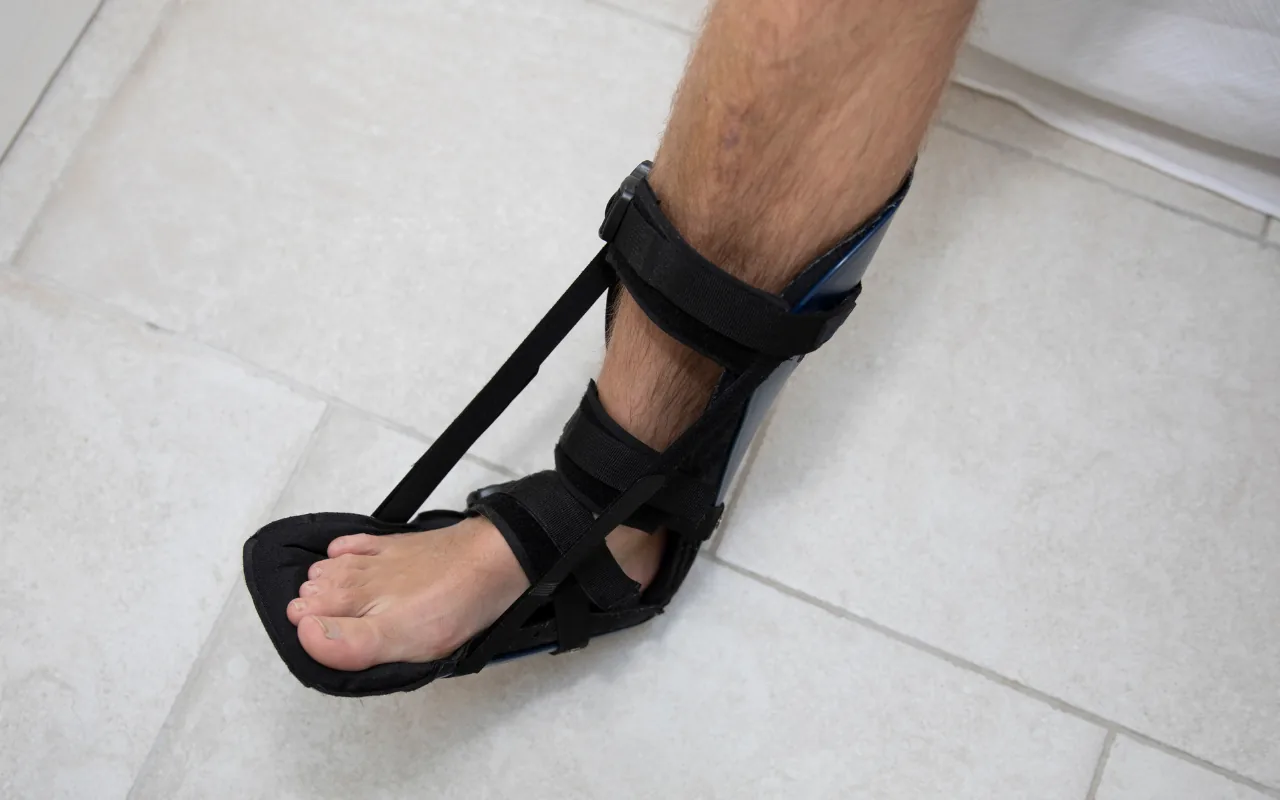
Night Splints
Wear a splint while you sleep to hold the plantar fascia and Achilles tendon in a lengthened position overnight, stretching the calf and arch of the foot so the fascia heals in a more relaxed state.
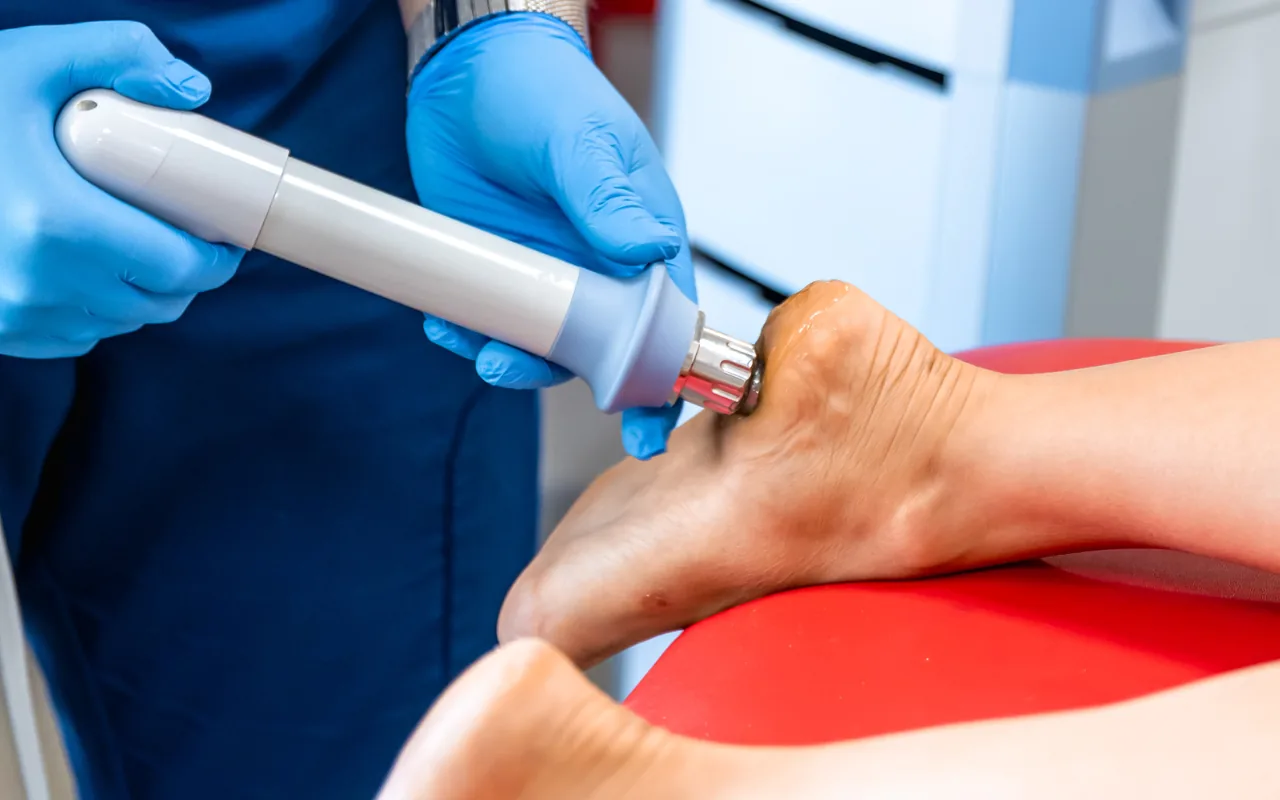
Advanced Treatments
If conservative measures aren't quite enough, your doctor might recommend targeted physiotherapy, steroid injections, or other advanced treatments like shockwave therapy. Surgery is rarely required and only considered when severe pain hasn't responded to extensive conservative treatments after many months.
Conclusion
Ignoring plantar fasciitis can lead to chronic heel pain that hinders your regular activities and changes the way you walk, which might bring on secondary foot, knee, hip, or back problems. Early intervention with stretching, rest, and proper footwear is critical. If you are struggling with persistent heel pain, don't wait — seek professional medical advice to get back on your feet pain-free. Proper care today ensures better mobility tomorrow.