Whether you're an athlete grappling with a sports injury or someone managing the daily ache of osteoarthritis, knee pain can dramatically restrict your lifestyle. When conservative treatments like physical therapy and rest aren't enough, doctors frequently recommend targeted injections to deliver medication directly to the source of the pain. Through ultrasound-guided knee injections, doctors can guarantee exceptional precision — maximising your relief while minimising the risk of complications.
Quick Answer: Why Choose Ultrasound Guidance?
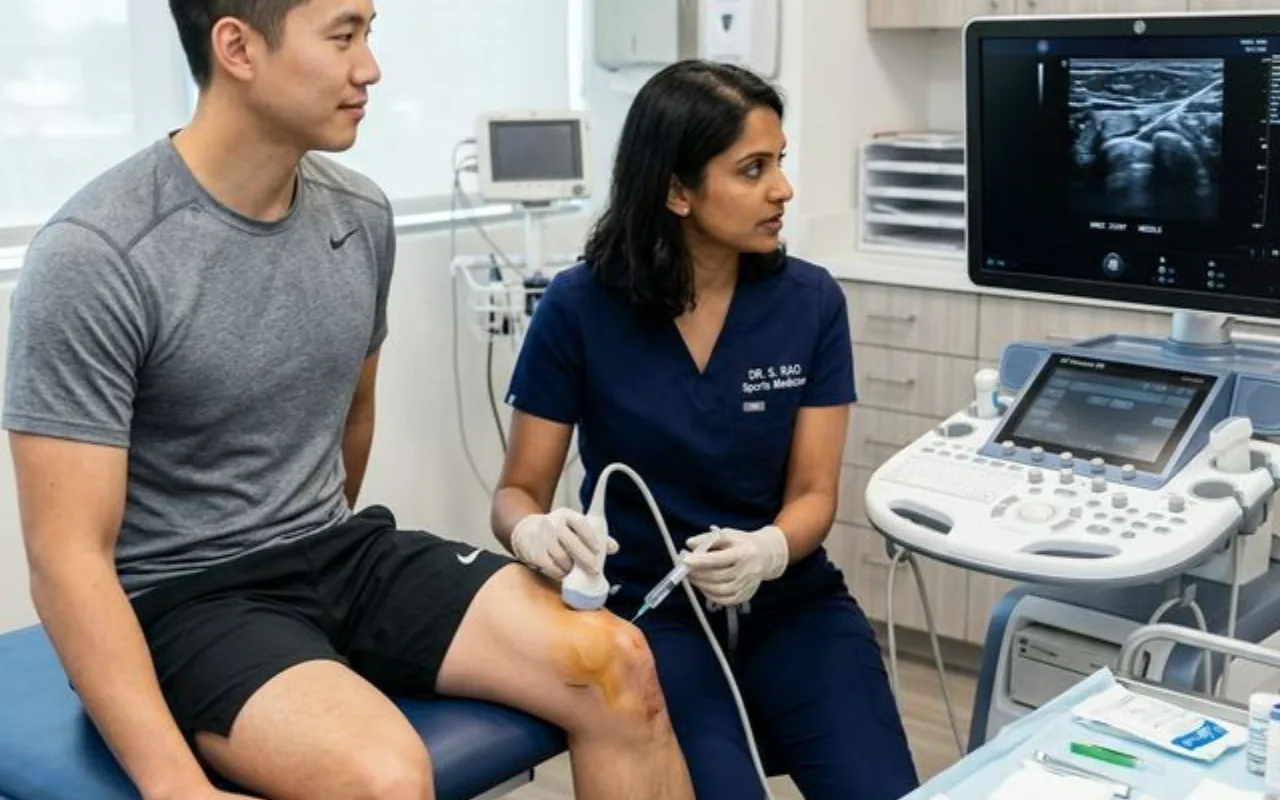
In the past, joint injections were performed "blind" — meaning the physician relied solely on their knowledge of anatomy. Ultrasound imaging changes the game completely. Using high-frequency sound waves to create real-time images, your sports medicine doctor can:
Guarantee Precision
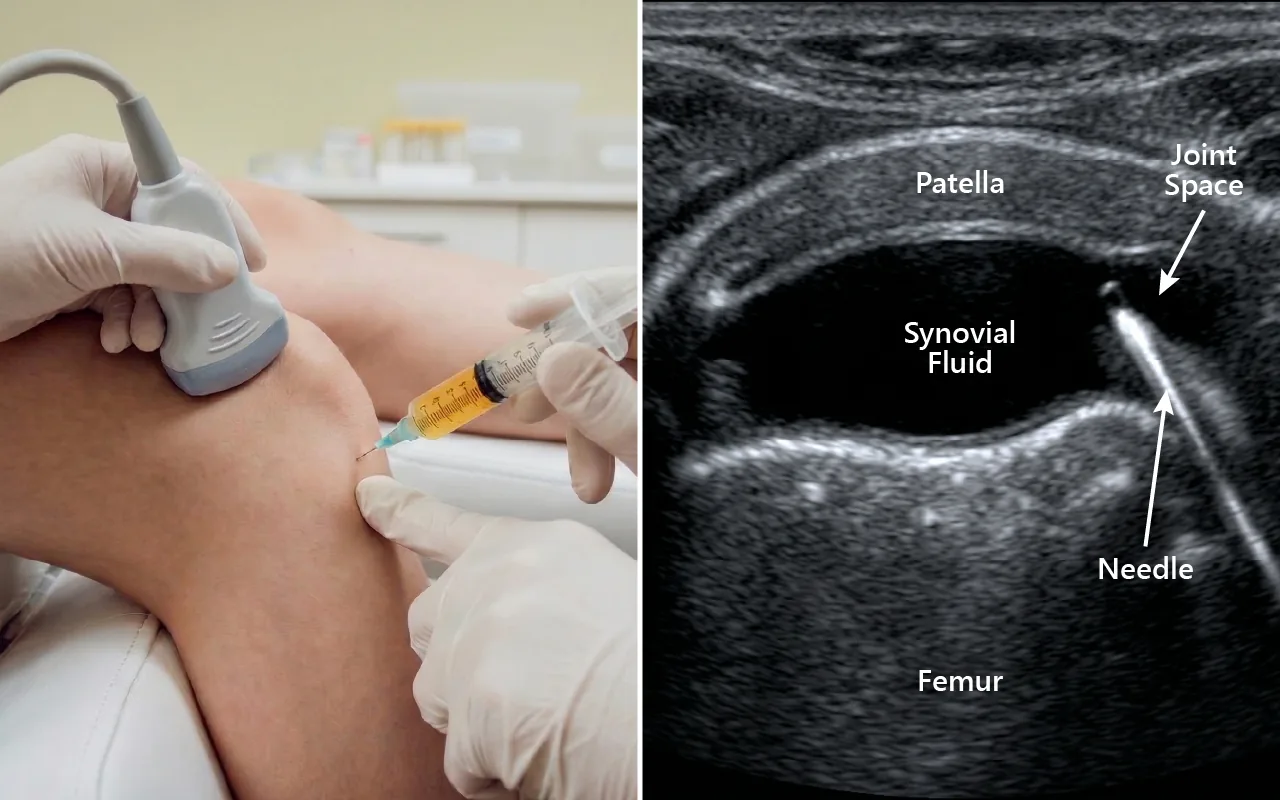
Actually see the needle entering the precise optimal location within the joint or around a specific tendon in real time.
Improve Effectiveness
Ensuring the medication is deposited exactly where it's needed — whether corticosteroids, hyaluronic acid, or PRP — boosts its therapeutic effect.
Reduce Complications
Visualise and avoid surrounding nerves, blood vessels, and healthy tissue — leading to a safer, less painful procedure.
What to Expect During the Procedure
Preparation and Setup
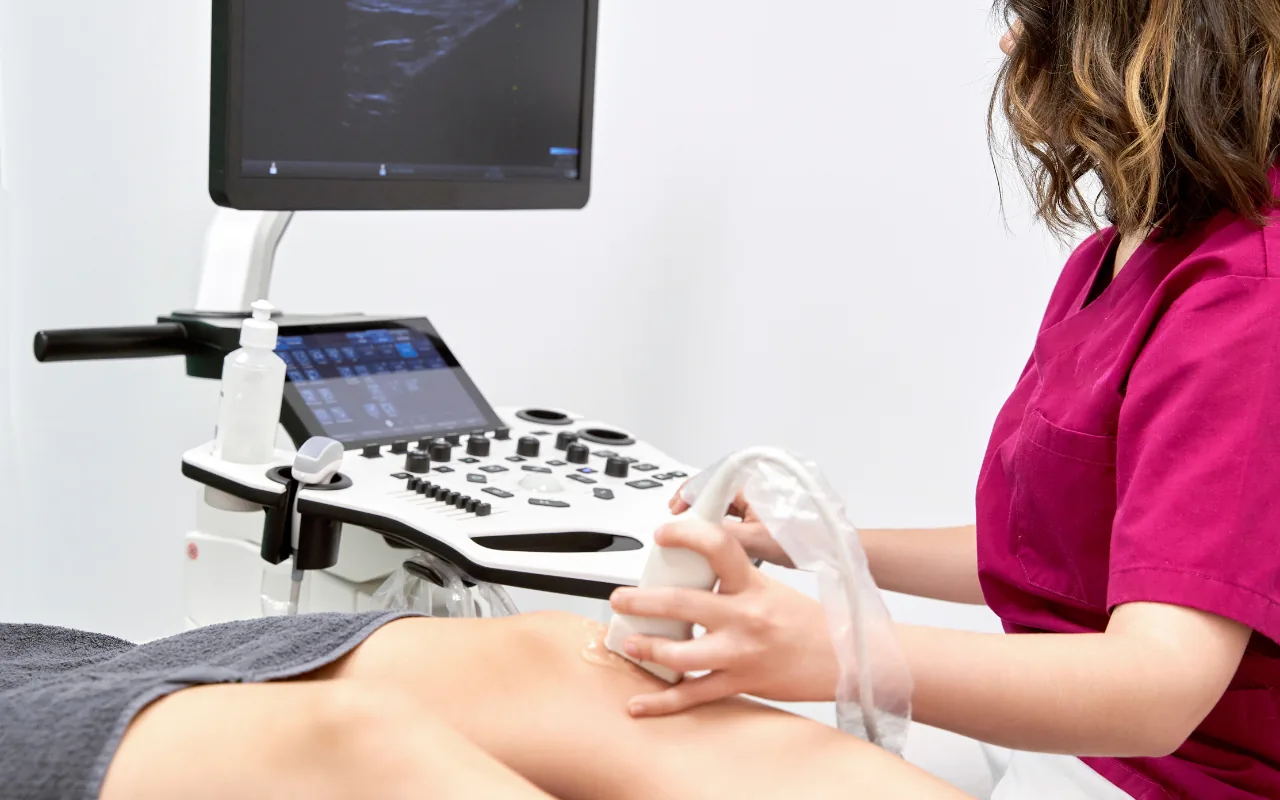
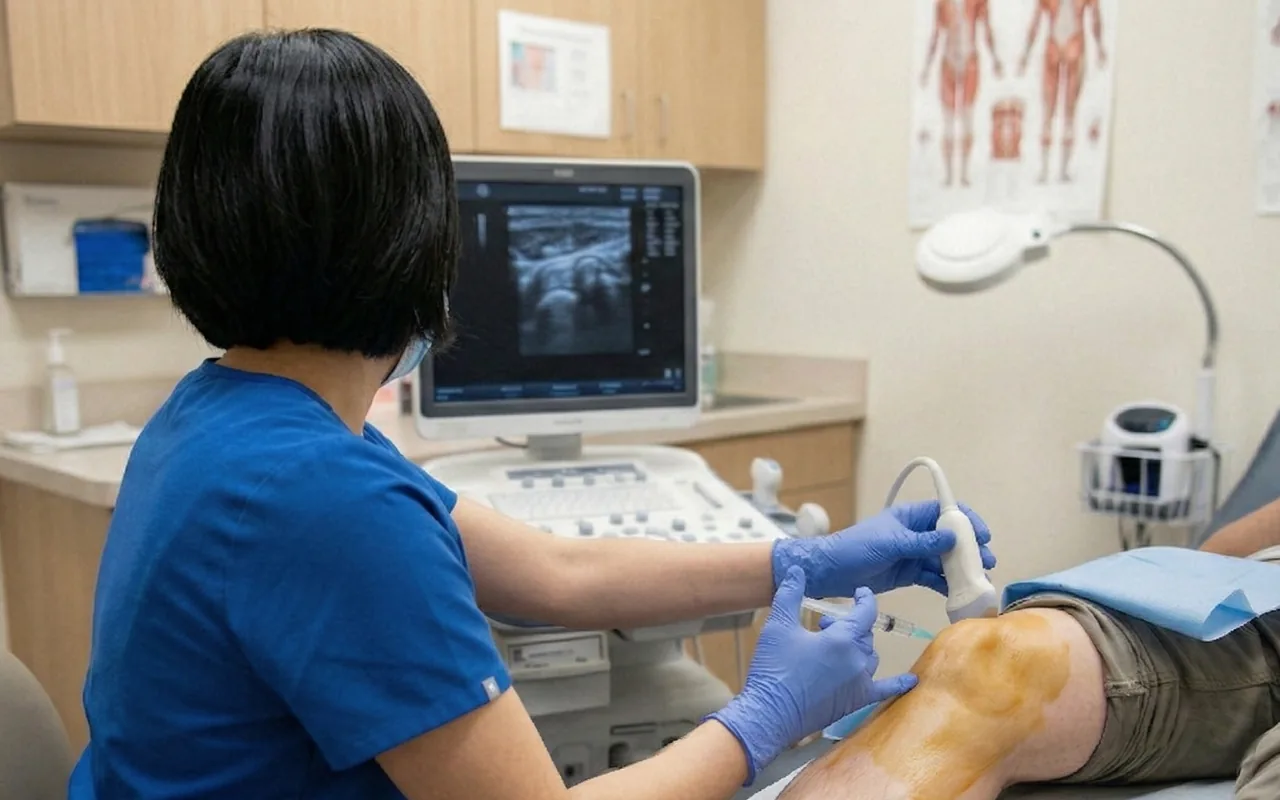
The entire process usually takes less than 30 minutes. You will be asked to lie down comfortably in the examination room. The doctor will begin by applying a specialised gel to your knee and sliding the ultrasound probe over the area. This allows them to examine the internal structures, identify the source of inflammation, and map the safest path for the needle.
The Injection Process
Once the target is identified, the skin is thoroughly cleaned and sterilised. A local anaesthetic spray or small injection is often used to initially numb the skin, making the main procedure much more tolerable. As the needle is carefully inserted, your doctor will watch a monitor, guiding it in real time. You might feel a slight pressure or a temporary "fullness" in your knee as the medication goes in, but most patients report far less discomfort than they anticipated.
Common Types of Injectable Medications
Depending on your diagnosis, your specialist may inject different therapeutic substances:
Corticosteroids
Powerful anti-inflammatory agents that rapidly reduce swelling and sharp pain, especially during acute flare-ups of arthritis.
Hyaluronic Acid
A gel-like lubricant naturally found in joint fluid. Acts as a shock absorber — highly effective for mild to moderate knee osteoarthritis.
Platelet-Rich Plasma (PRP)
Uses your body's own concentrated growth factors to stimulate tissue healing. Particularly useful for partial ligament tears or chronic tendon disorders.
Recovery and Beyond
Post-injection recovery is generally straightforward. You may be advised to rest the knee for 24 to 48 hours and apply ice if you experience minor soreness at the injection site. It is extremely important not to rush back into strenuous sports activities immediately. As the inflammation subsides, partnering the injection with a tailored physiotherapy programme is critical to strengthen the surrounding muscles and prevent the issue from returning.

Conclusion
If chronic knee pain is keeping you from the activities you love, an ultrasound-guided knee injection could be a crucial part of your recovery journey. By removing the guesswork from joint injections, this modern technique delivers superior, highly accurate pain relief. Don't let knee pain control your life — consult with a professional to discuss whether an ultrasound-guided treatment is the right option for you.