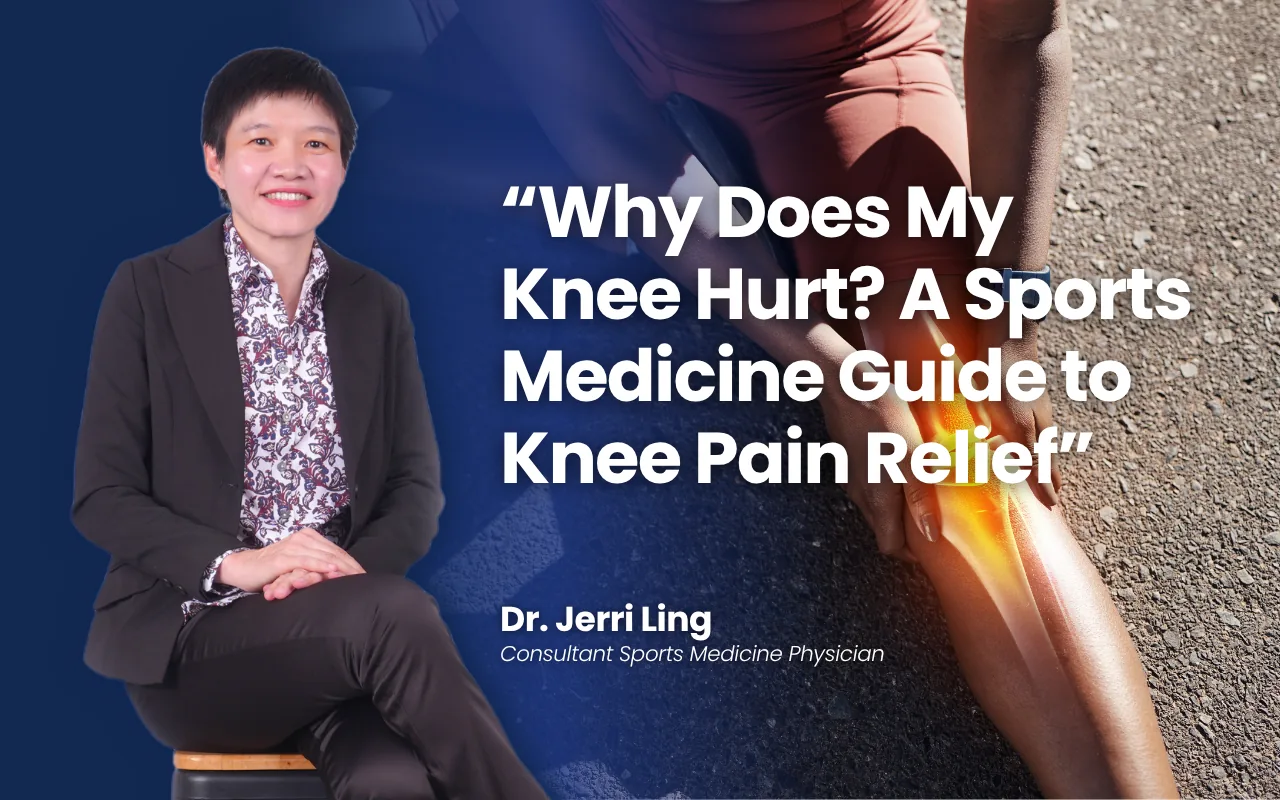
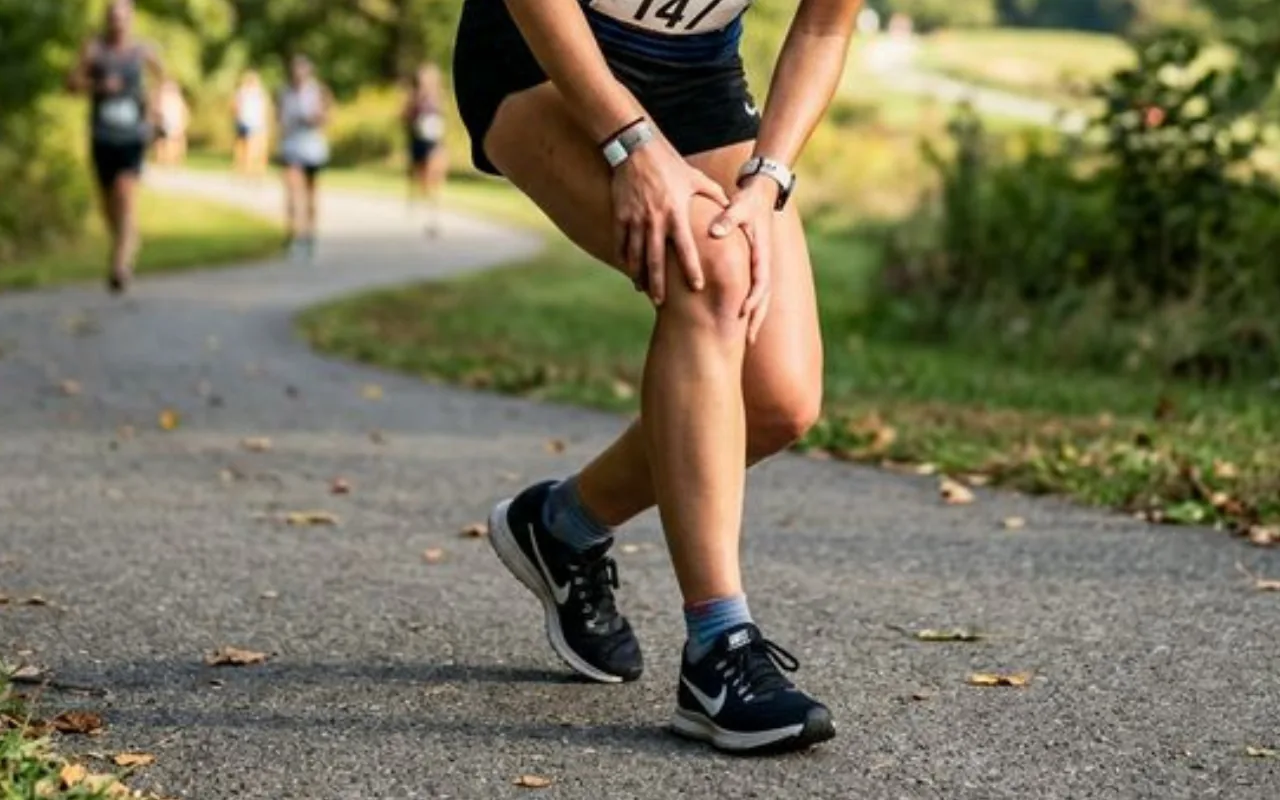
Why does my knee hurt? Common causes of knee pain include sudden sports injuries like ACL tears, repetitive strain from activities like running (runner's knee), and age-related wear such as osteoarthritis. In Malaysia and around the world, persistent knee discomfort is one of the most frequent reasons patients visit a sports medicine doctor. Thankfully, most cases of knee pain — roughly 90% — can be successfully managed without surgery through focused physiotherapy and lifestyle changes.
Quick Answer: The Most Common Causes of Knee Pain
If you're looking for a quick diagnosis of what's causing your knee joint to hurt, here is a breakdown of typical symptoms and their common culprits:
ACL Tear
Often involves an audible "pop" and immediate, severe swelling during high-impact sports.
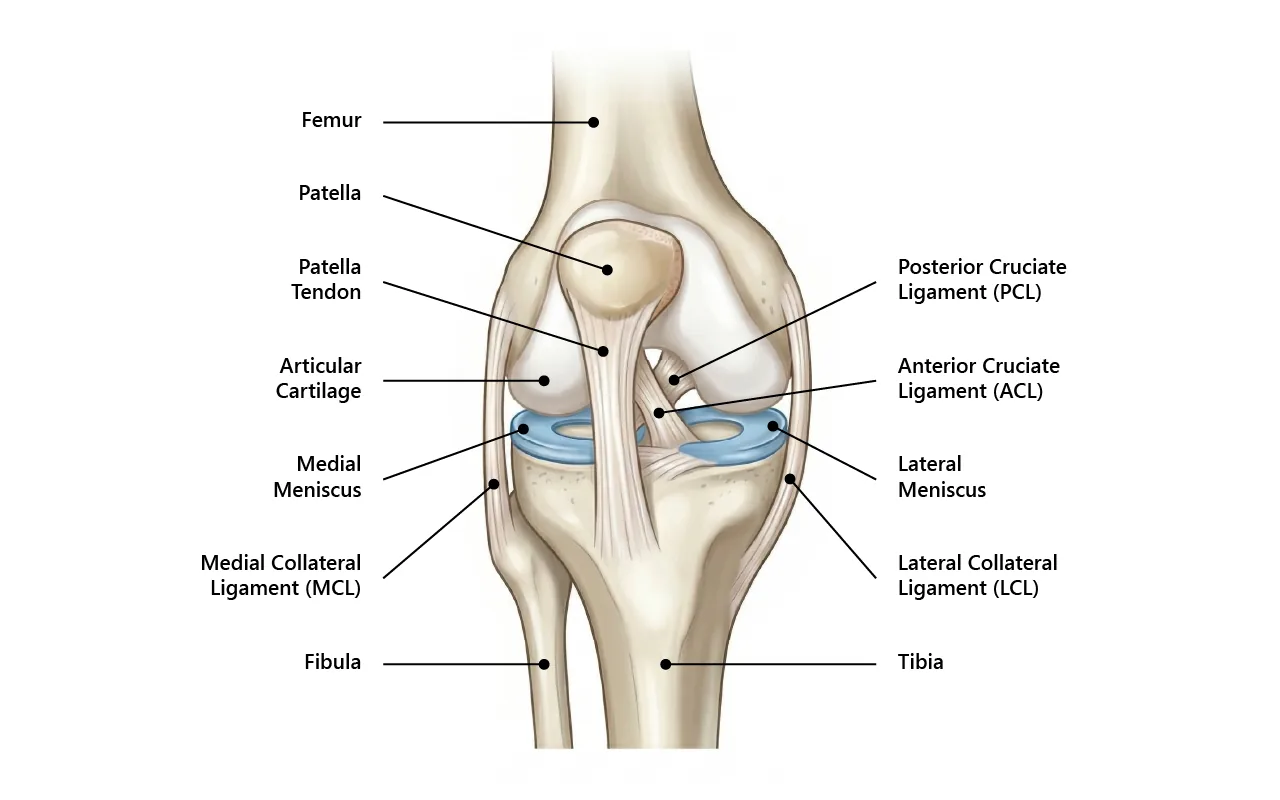
Meniscus Damage
Causes clicking, locking in place, or a feeling of fullness within the joint space.
Runner's Knee
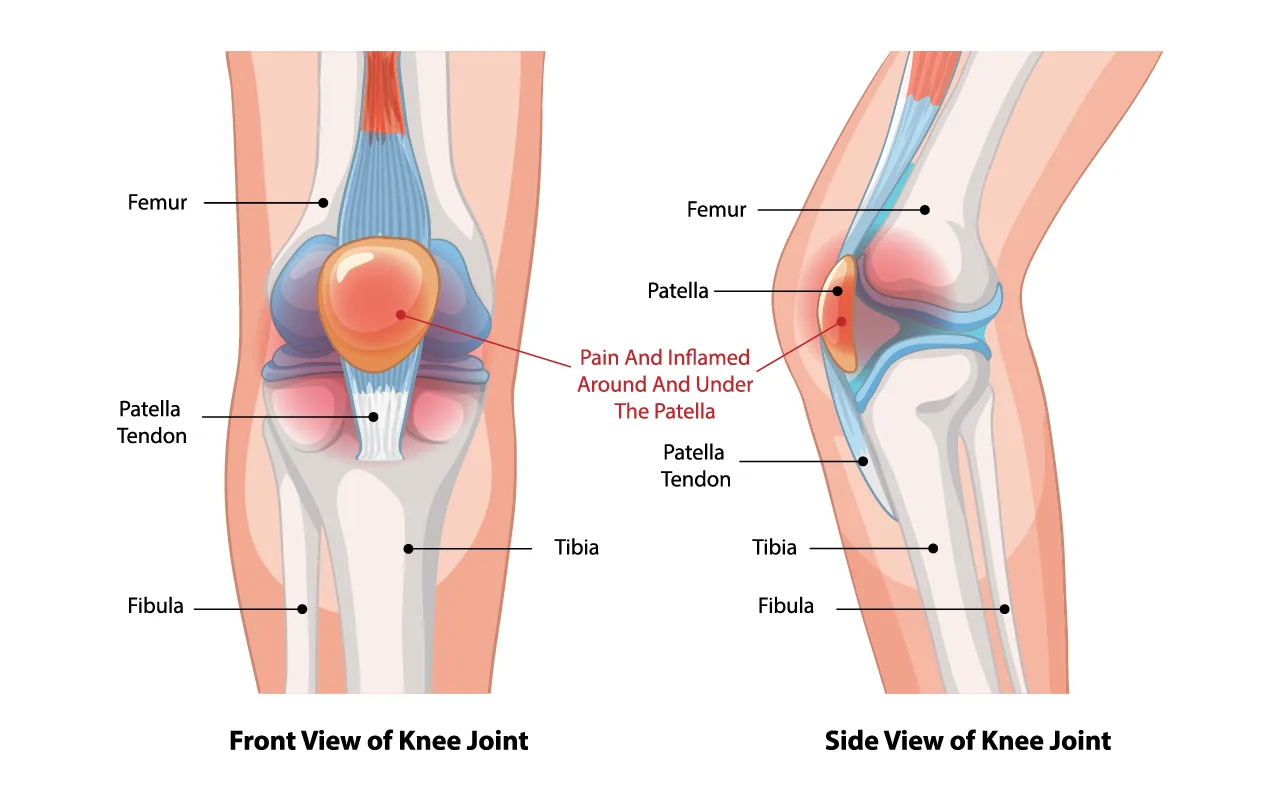
A dull ache at the front of the knee or under the kneecap, notably worse when walking down stairs.
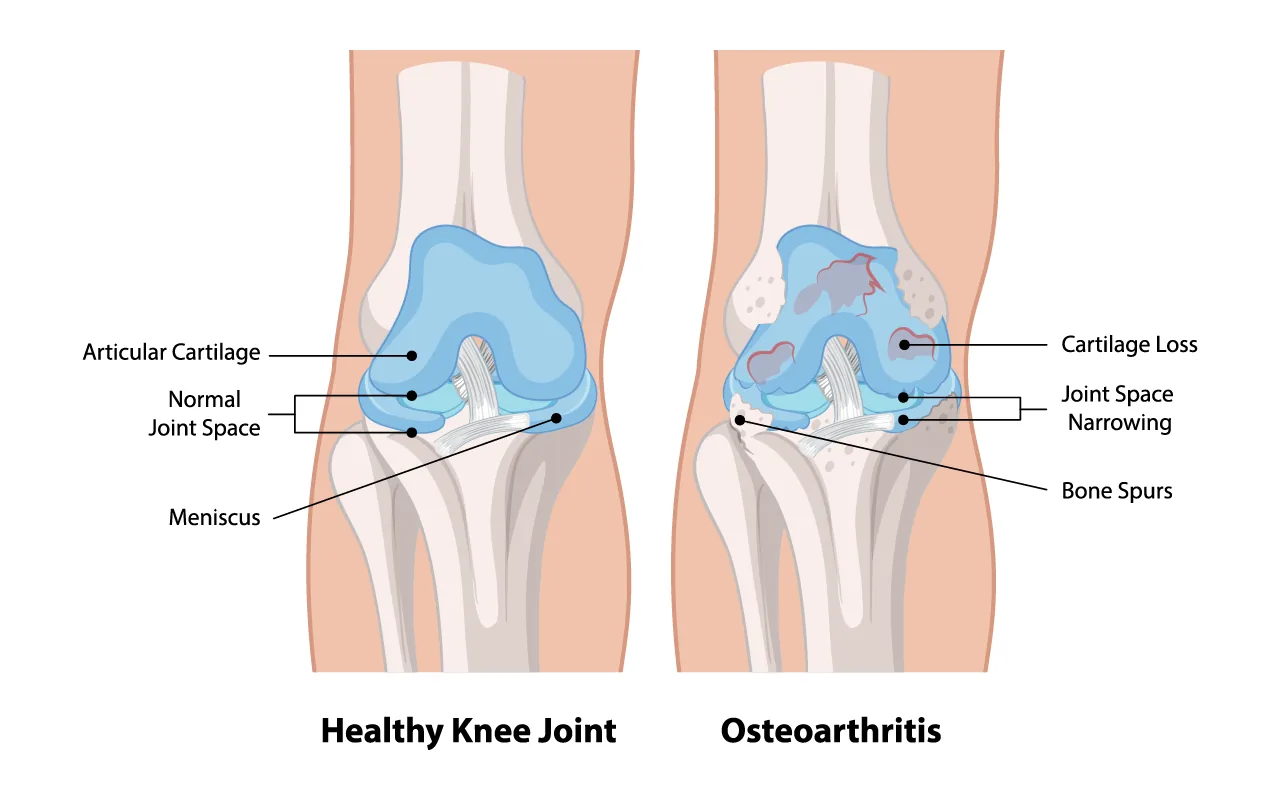
Osteoarthritis
Most common in individuals over 55, characterized by morning stiffness and grinding sensations.
Detailed Causes of Sports-Related Knee Injuries
ACL and Meniscus Tears
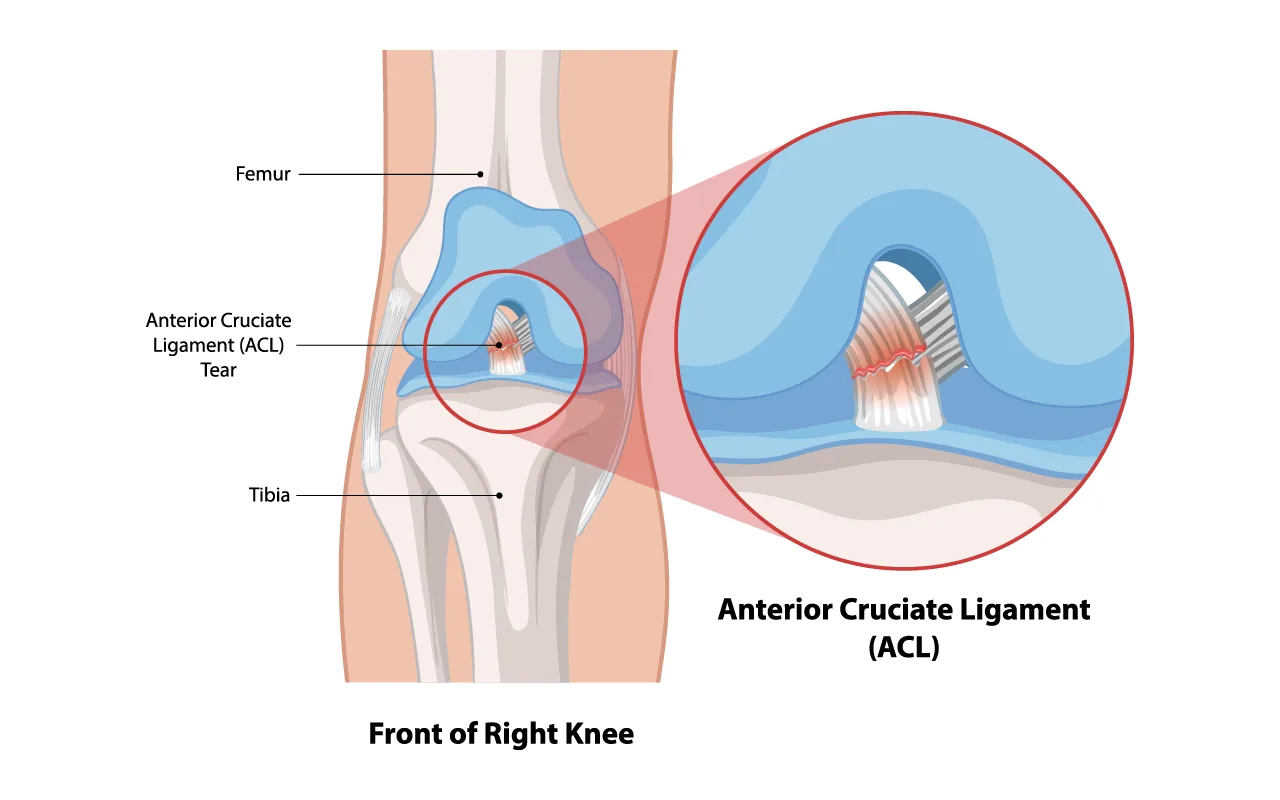
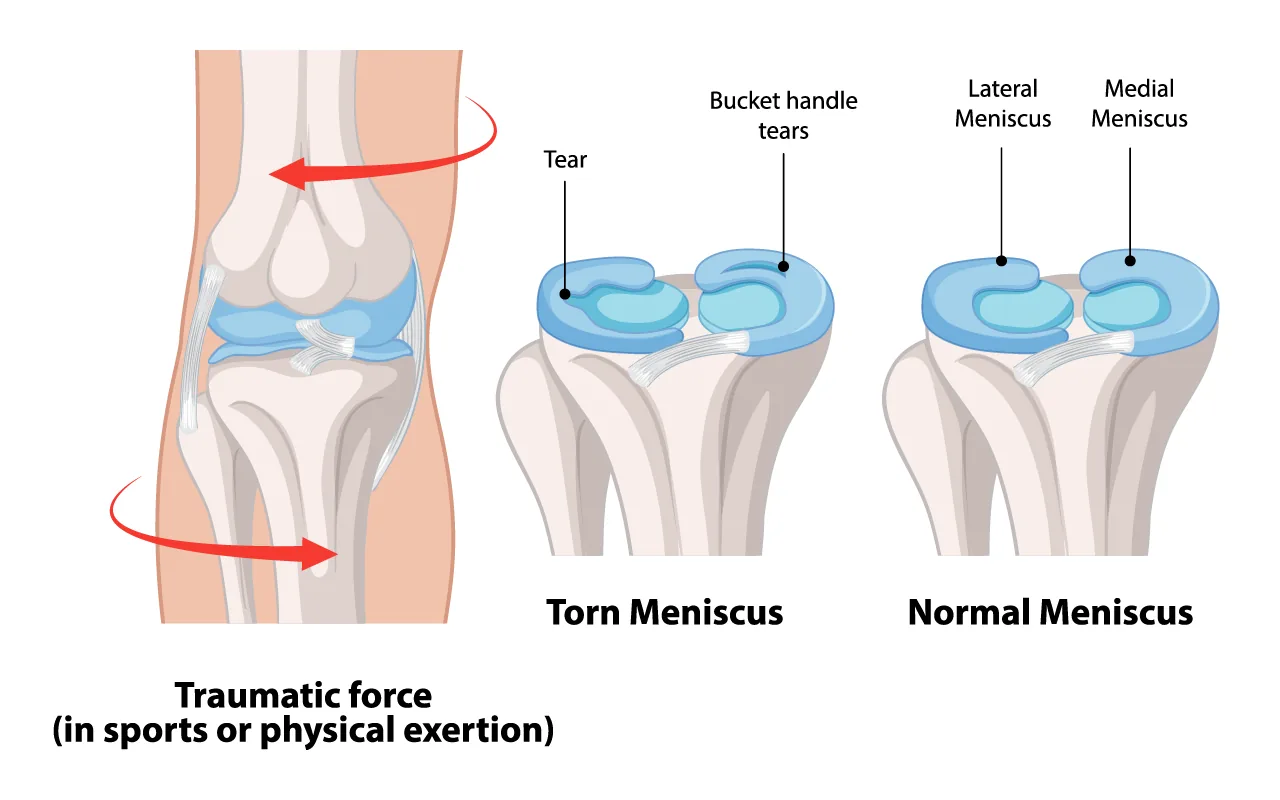
An Anterior Cruciate Ligament (ACL) tear typically happens when you change direction quickly, stop suddenly, or land awkwardly from a jump. It is highly prevalent in sports like football, badminton, and basketball. Patients often report that their knee feels like it has "given way". A meniscus tear happens when you forcefully twist your knee while your foot is planted, which leads to catching, locking, or sharp inner joint pain.
Overuse Injuries (Tendinitis and Patellofemoral Pain)
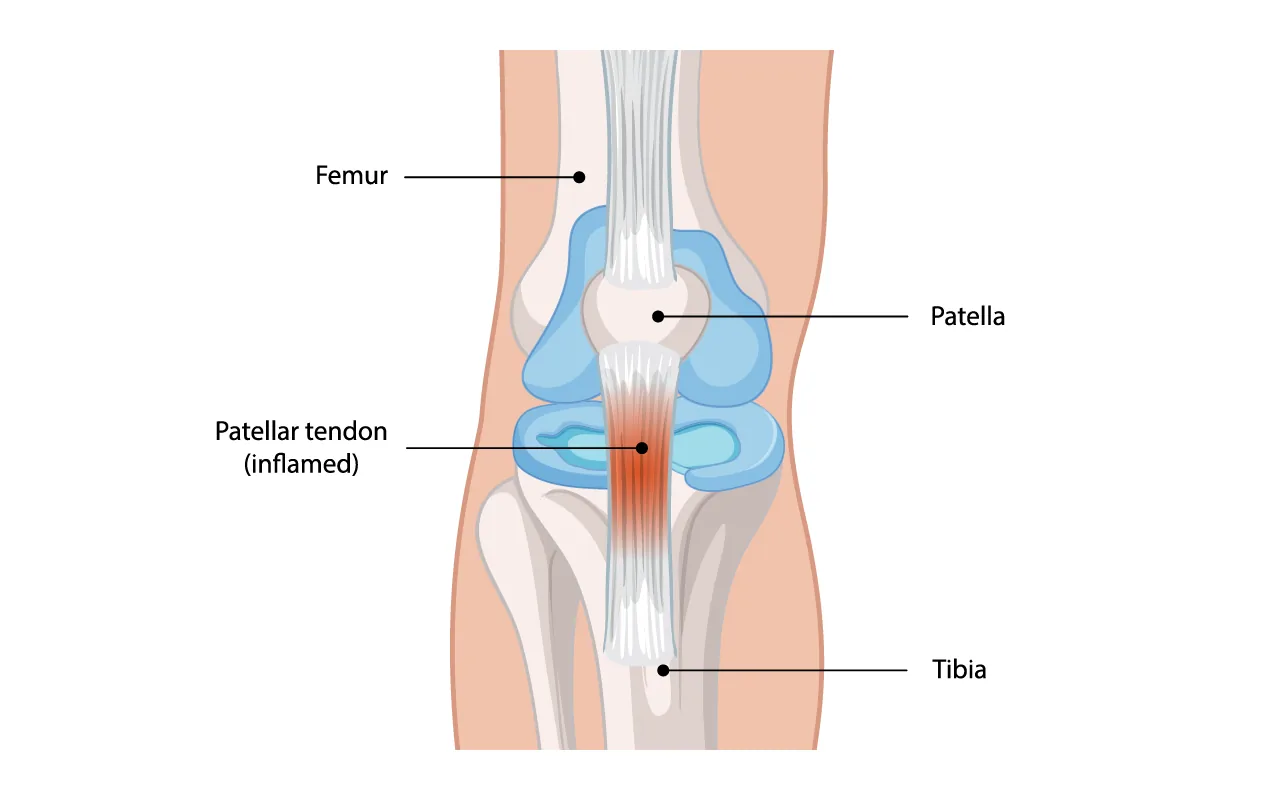
Runner's knee (Patellofemoral Pain Syndrome) occurs when the kneecap does not track smoothly over the thighbone, usually due to muscular imbalance or overuse. Jumper's knee (Patellar Tendonitis) is an inflammation of the tendon located just below the kneecap, directly caused by repetitive jumping and hard landings.
When to See a Sports Medicine Doctor
While minor aches can be treated at home, you should immediately consult a sports medicine specialist or orthopaedic doctor if you experience any of the following "red flags":
- Inability to put any weight on your leg or walk without a limp.
- Your knee locks entirely or feels completely unstable.
- Severe swelling that appears instantly or within 2 hours after a sports injury.
- Fever accompanied by a joint that is visibly red, hot, and painful to the touch.
Effective Treatment for Knee Pain and Recovery Strategies
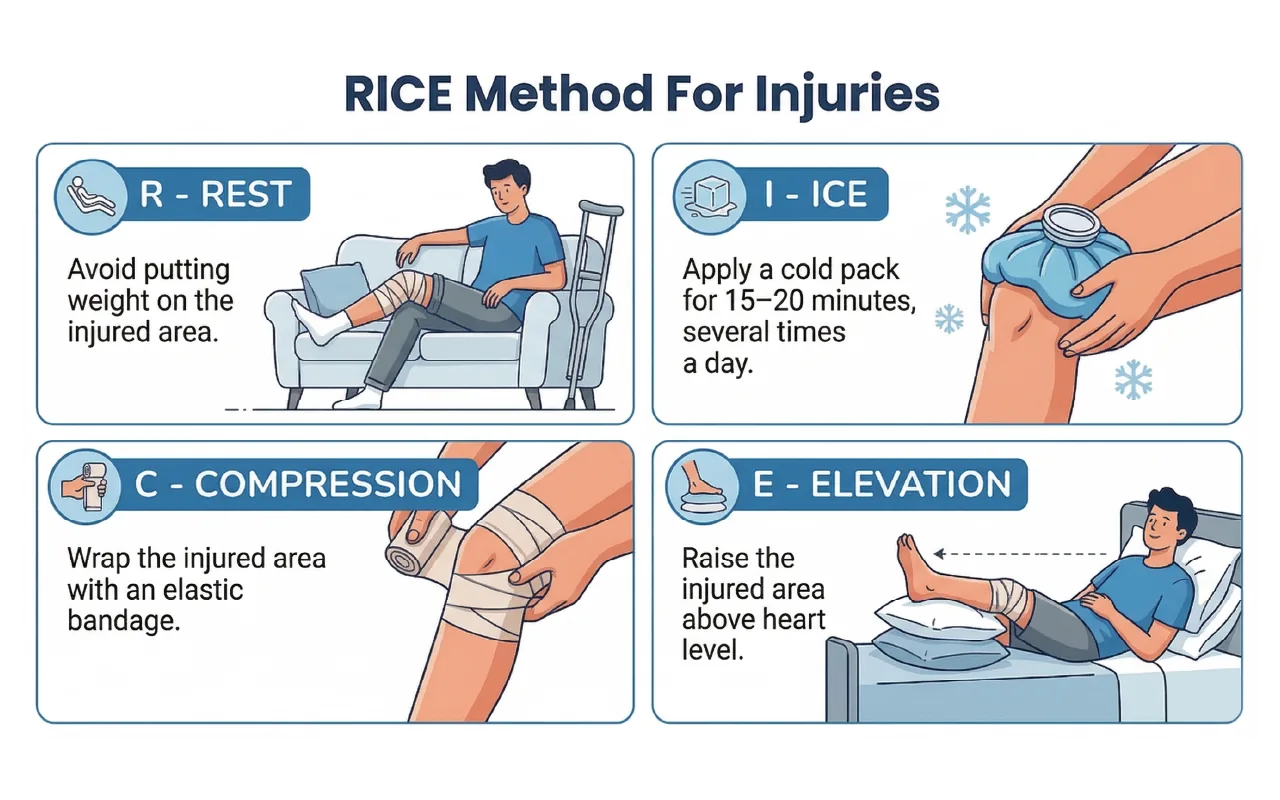
Finding the right treatment for knee pain centers on diagnosing the proper functional deficiency. For most patients, recovery begins with non-surgical, conservative care. The crucial first step for new injuries is the RICE method:
Rest
Avoid high-impact activities to prevent further injury.
Ice
Apply cold packs to reduce swelling and inflammation.
Compression
Use a supportive bandage to manage swelling.
Elevation
Keep the knee raised above heart level to reduce swelling.
For long-term health and injury prevention, physiotherapy is critical to strengthen the surrounding quadriceps and hamstrings, directly supporting the joint. If structural repair is necessary — such as a ligament reconstruction or knee replacement — sports medicine doctors work collaboratively with orthopaedic surgeons to guarantee a swift and successful return to sports.
Conclusion
Addressing knee pain early is the most effective way to protect your long-term mobility and quality of life. By focusing on muscle strength, using proper technique, and modifying your activity level, you can prevent many common sports injuries. If your pain persists despite rest, seeking professional medical advice is essential to build your path to recovery. Take care of your knees today so you can stay active for years to come.